Behind a Solana Validator: Uptime, Operations and What Delegators Can Independently Verify
28.10.2026
Many delegators choose a Solana validator based purely on advertised yield, only to discover later that the node frequently skips blocks or abruptly raises its commission. The dashboard APY is a trailing metric; it tells you what happened, not whether the operator is maintaining the discipline required for consistent block production. Selecting a validator is a decision about trust and operational rigour, and much of what you need to know is publicly verifiable if you know where to look.
The Reality of Validator Uptime
On Solana, "uptime" is not a simple percentage of time a machine remains powered on. A validator can be online but still fail to produce blocks when expected. The network moves fast—slot times are roughly 400 milliseconds. If a validator's software, hardware, or network connection cannot keep up, it misses its assigned leader slots. This is measured by the skip rate. A high skip rate means the validator is effectively failing its core duty, even if it has not been slashed or ejected from the active set.
Block production on Solana is a probabilistic right distributed based on stake weight. When a validator misses its slot, those potential blocks are simply lost, directly reducing the yield generated for both the operator and the delegators. When a validator falls significantly behind the tip of the chain, it is marked delinquent. This is a binary state, but the descent into delinquency is usually preceded by a creeping skip rate. Delegators should treat a consistently high skip rate as a red flag, regardless of the validator's overall stake volume.
Operational Transparency and Identity
Anyone can spin up a node, but maintaining one through network upgrades, congestion events, and hardware degradation requires sustained effort. Operational transparency is how an operator signals that they take this commitment seriously. Look for validators who publish their identity, explain their infrastructure setup, and communicate during network incidents. An operator who vanishes during a major outage or fails to upgrade their software promptly is a liability.
While pseudonymity is common and accepted in crypto, a completely anonymous validator with no communication channel provides no accountability. You are trusting them with your capital's earning potential, and silence is rarely a reassuring indicator of competence. Validators who link their on-chain identity to established social profiles or the Solana Name Service at least provide a channel for inquiry if their performance suddenly degrades.
Independent Verification: A Practical Checklist
Before delegating, you can run a few straightforward checks using public blockchain data and community dashboards. Relying solely on a validator’s own marketing website is insufficient; independent verification is the only reliable way to cut through the noise.

Checking the Skip Rate
Use tools like the Solana CLI or public dashboards to inspect a validator's recent block production. A healthy validator should have a skip rate well below 5%. Occasional spikes happen during network-wide congestion, but a persistently elevated rate suggests local infrastructure issues. Compare the validator's skip rate against the network average over the same epoch to distinguish between systemic problems and individual incompetence. If an operator claims enterprise-grade hardware but consistently skips more blocks than the median, their setup is either misconfigured or overstated.
Assessing Commission and Yield
Commission is the fee the validator takes from the inflation rewards generated by your stake. A 0% commission might look attractive, but it is often a temporary marketing tactic to attract stake quickly. Operators need revenue to pay for enterprise-grade hardware, fast storage, and redundant networking. A validator charging a modest, sustainable commission—often between 5% and 10%—is more likely to remain operational long-term.
Check the validator's commission history. Frequent, unpredictable changes are a warning sign. A sudden jump to 100% commission is a well-known exit scam; while rare, monitoring history protects against it. Also, consider how the operator handles MEV rewards. With the increasing prevalence of maximal extractable value on Solana, transparent validators clearly state whether MEV tips are shared with delegators or retained entirely by the operation.
Evaluating Infrastructure Resilience
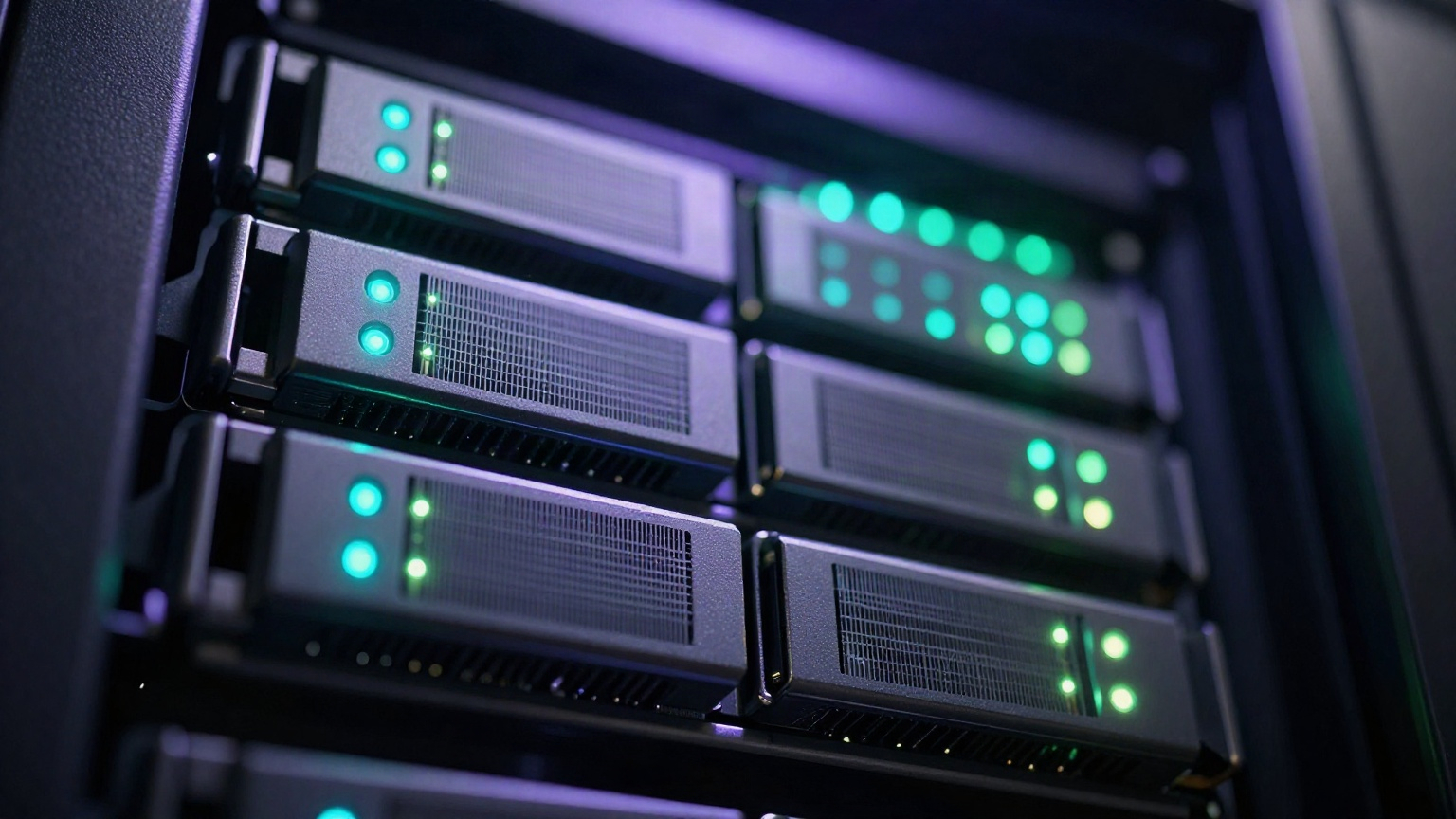
Solana's throughput demands serious hardware. The ledger grows rapidly, and storage I/O is a frequent bottleneck. While you cannot audit an operator's physical servers directly, many transparent validators publish their specs. Look for nodes running on high-frequency CPUs, ample RAM, and fast NVMe storage. More importantly, consider geographic and network decentralisation. A validator running all its nodes in a single data centre is vulnerable to local outages and network routing failures.
Operators who detail their fallback mechanisms, use multiple cloud providers, or distribute their signing authority across different jurisdictions demonstrate a higher standard of operational resilience. Pay attention to how quickly an operator adopts new client releases or critical security patches; delayed upgrades are a common cause of consensus failures and delinquency.

Interoperability and Ecosystem Participation
Running a node is the baseline. Validators who actively participate in the broader ecosystem offer more systemic value. This might involve voting on governance proposals, building open-source tools, or running alternative client implementations to bolster network resilience against client-specific bugs. Some validators also run relayer infrastructure for MEV distribution, which can supplement staking yields.
Assessing an operator’s contribution beyond bare-minimum block production helps identify those who are invested in the network's long-term health rather than just extracting fees. A validator that contributes to core tooling or documentation is less likely to abandon their operations overnight, as their reputation and ecosystem standing are tied to their continued presence.
Trade-offs in Delegator Decisions
Delegating to the largest validators feels safe, but it concentrates power, undermining Solana’s Nakamoto coefficient. When a validator gets too large, the marginal benefit of additional stake diminishes for the network, and the risk of centralised failure grows. Smaller validators often provide better individual support and more transparent communication, though they may occasionally fall out of the active set if their stake drops below the superminority threshold.
The trade-off is between immediate, maximised yield and supporting a decentralised, robust network. A pragmatic approach is to diversify: spread your stake across a mix of well-established, high-uptime validators and smaller, transparent operators who meet your verification criteria. Avoid putting everything into a single unverified node, no matter how high its advertised returns. The validator relationship described in Vladika’s explanation of validator participation helps make that distinction explicit
The work of a delegator does not end at the stake button. Solana’s fast-paced architecture means validator performance can shift rapidly. Set a routine—perhaps once an epoch—to re-examine your chosen validators' skip rates, commission stability, and upgrade responsiveness. By independently verifying these metrics, you protect your own yield and contribute to the operational discipline that keeps the network secure and efficient.